Value Mechanics
How to Value a Luxury Watch Before You Sell: A Seller's Checklist
Identify the reference, check comps, assess condition and completeness, and choose the right exit.
Determining the true market value of a luxury watch
To value your watch before selling, work in four steps: (1) identify the exact reference, (2) pull recent sold comps for that reference and condition, (3) honestly assess condition, originality and completeness, and (4) adjust for box/papers and current market momentum. Then choose an exit, outright sale, trade, or consignment, based on whether you prioritize speed or maximum return.
The four-step valuation
- 1. Identify: Confirm the exact reference, caliber, dial/bezel variant (see our reference playbooks)
- 2. Comps: Find recent sold prices for the same reference and condition, asking prices aren't sales
- 3. Condition: Grade it honestly; note polish history and original parts
- 4. Adjust: Add/subtract for full set, originality, and market momentum
Step 1. Nail the reference
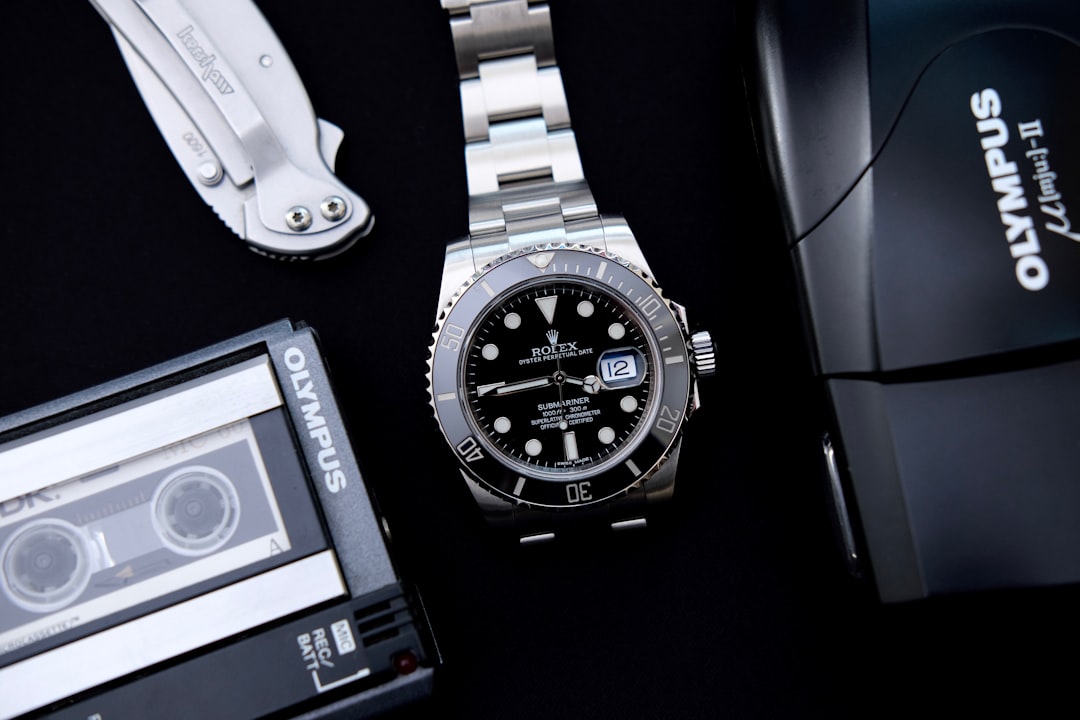
Value starts with precision. A Submariner "Date" spans the 16610, 116610LN and 126610LN, each prices differently (see the Submariner generations guide). Pin down the exact reference, caliber and variant before anything else.
Step 2. Use sold comps, not wishful asks
Anchor to completed sales for your reference in your condition tier, not optimistic listings. Markets move; recently discontinued grails can run hot (see Discontinued Reference Velocity), while others soften.
Take note of how quickly similar watches are moving and whether they are being sold by private parties or established dealers, as this will help you set a realistic expectation for your own timeline.
Step 3. Be honest about condition
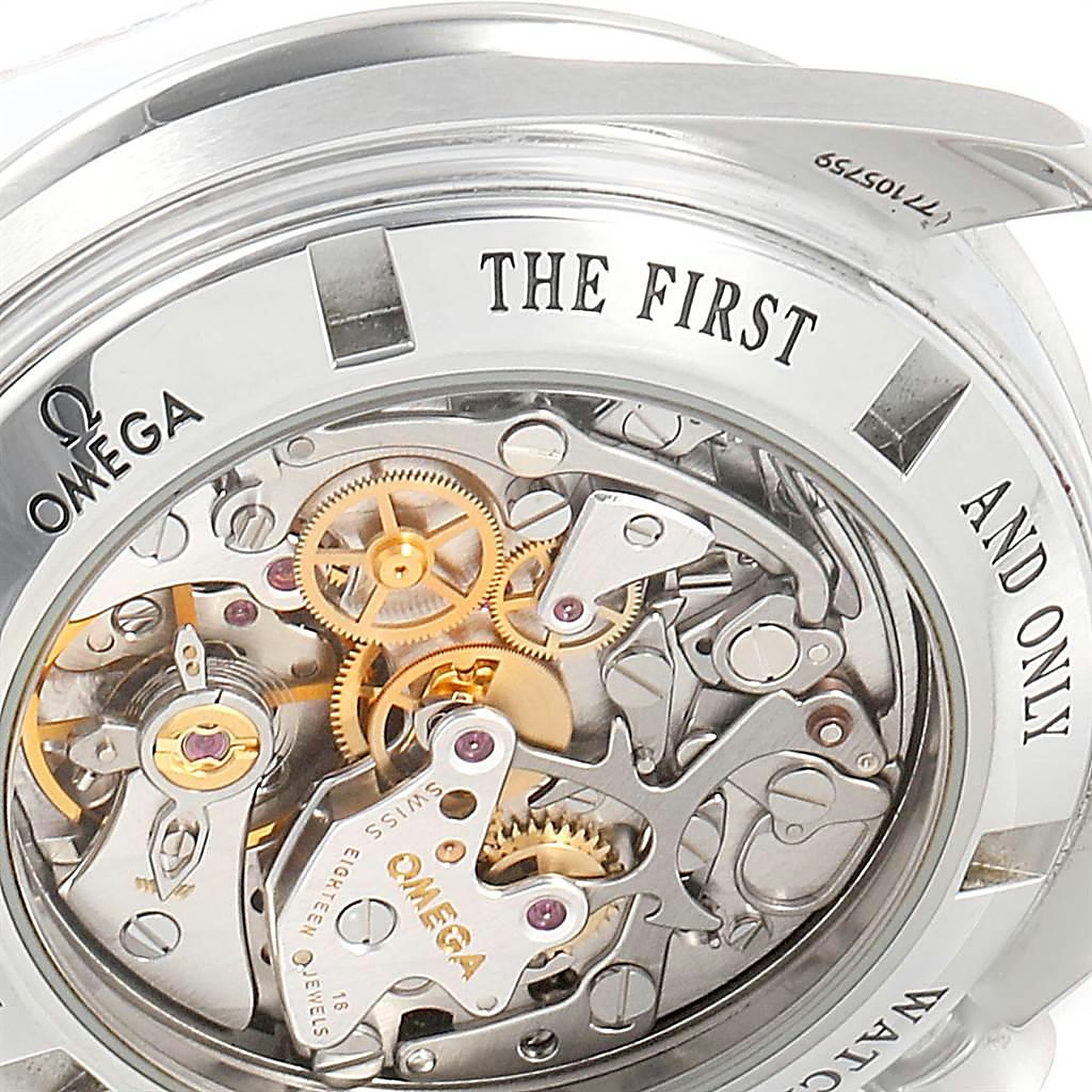
Grade against a real scale (see Condition Grading Explained), and account for polish history (see Polished vs. Unpolished) and original parts (see Do Replacement & Service Parts Affect Value?). Buyers will.
Step 4. Completeness and momentum

Factor your box and papers (see The Full-Set Premium) and the current demand for your reference. Then pick the exit that fits your goal: a fast outright sale, a trade-up, or a consignment for maximum net (typically slower).
A watch with a documented service history from the manufacturer will often command a premium over one with unknown maintenance, and presenting your watch with high quality photos that highlight its honest condition will build trust with potential buyers. Be prepared to adjust your price if the market shifts, and always prioritize a secure and transparent transaction.
Get a considered offer
You don't have to do this alone. Tell our sell desk about your watch and we'll come back, usually within 24 hours, with an offer informed by live auction comps, not a spreadsheet. Prefer to trade up or consign? Explore the options on our sourcing page, and see how we present pieces in the shop.
Topics
Frequently asked
Questions, answered
How do I find out what my watch is worth?
Identify the exact reference, check recent sold comps for that reference and condition, then adjust for completeness, originality and market momentum.
Do asking prices tell me my watch's value?
No, only completed sales do. Asking prices are starting points, not market value.
What's the fastest way to sell a luxury watch?
An outright sale to a dealer is fastest; consignment can yield more but takes longer. Choose based on whether you value speed or maximum return.