Value Mechanics
Polished vs. Unpolished: How Case Condition Moves a Watch's Value
Why sharp lugs and chamfers command a premium, how over-polishing destroys value, and how to tell.
Sharp lugs and the merit of an unpolished case
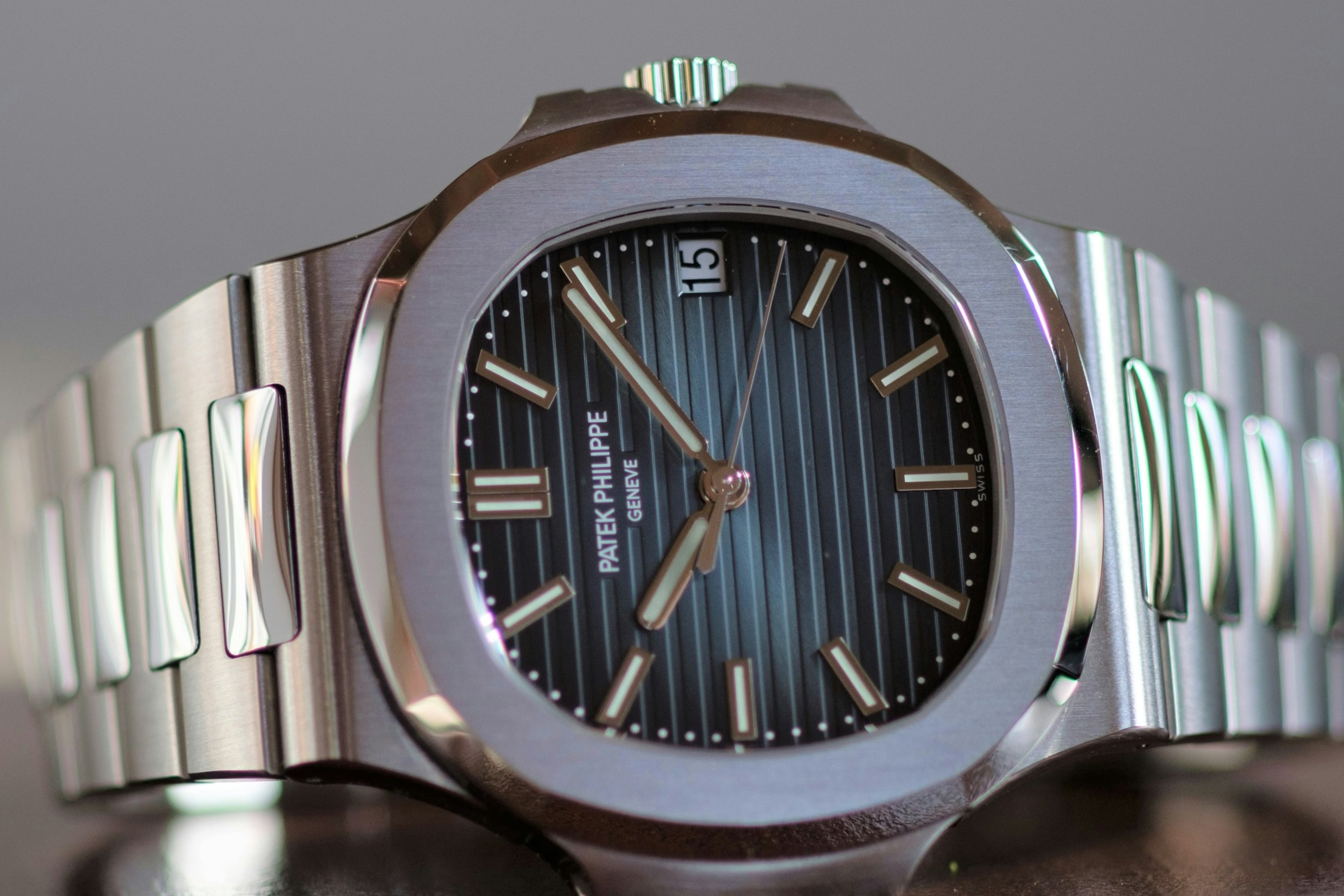
Among collectors, an unpolished case with sharp, factory-correct lugs and chamfers commands a premium over a polished one, because polishing removes metal and softens the original geometry permanently. Over-polishing, rounded lugs, blurred bevels, lost brushed/polished contrast, can significantly reduce value, especially on vintage and collectible references. Original geometry can't be added back.
Why unpolished wins
A watch case leaves the factory with precise facets: brushed flanks, polished bevels (chamfers), and crisp lug edges. Every polish removes a little metal and rounds those edges. Light, skilled polishing is sometimes acceptable, but repeated or aggressive polishing erodes the case profile that collectors prize, and it's irreversible.
What collectors inspect
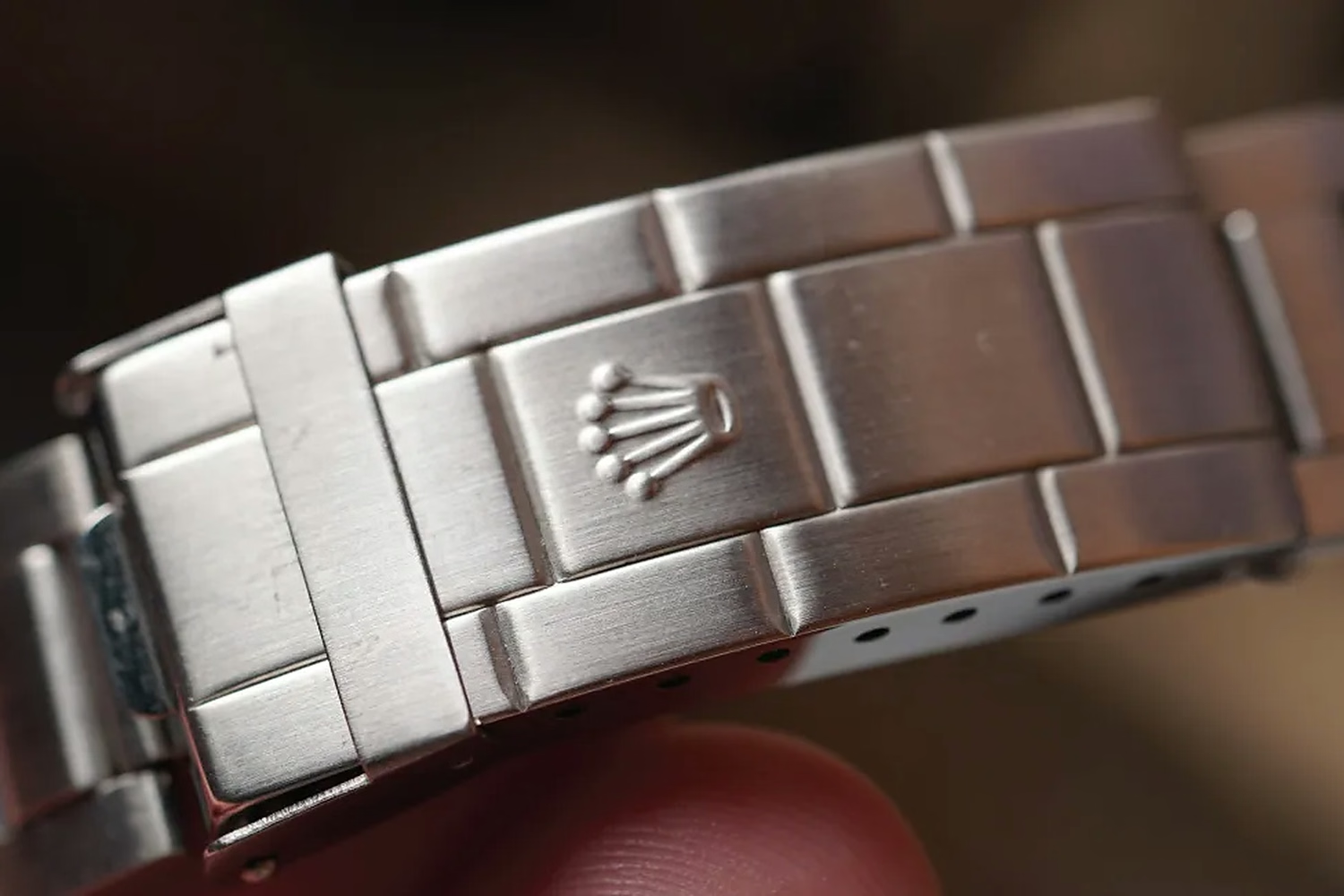
- Lug edges: Original / unpolished: Sharp, defined · Over-polished: Rounded, "melted"
- Chamfers/bevels: Original / unpolished: Crisp, mirror-polished line · Over-polished: Blurred or lost
- Surface finish: Original / unpolished: Correct brushed vs. polished zones · Over-polished: Uniformly buffed
- Engraving depth: Original / unpolished: Crisp between-lug numbers · Over-polished: Shallow, washed-out
- Case proportions: Original / unpolished: Factory thickness · Over-polished: Visibly thinned
The value impact
On common modern references, a tasteful service polish may matter little to many buyers. On vintage and collectible pieces, originality is everything, an unpolished example can carry a substantial premium, and a butchered one trades at a steep discount. This is why removing a bracelet to read serials (see Reading Rolex Serial, Rehaut & Reference Numbers) should be done by a watchmaker, even scratched lugs cost money.
Condition is a system
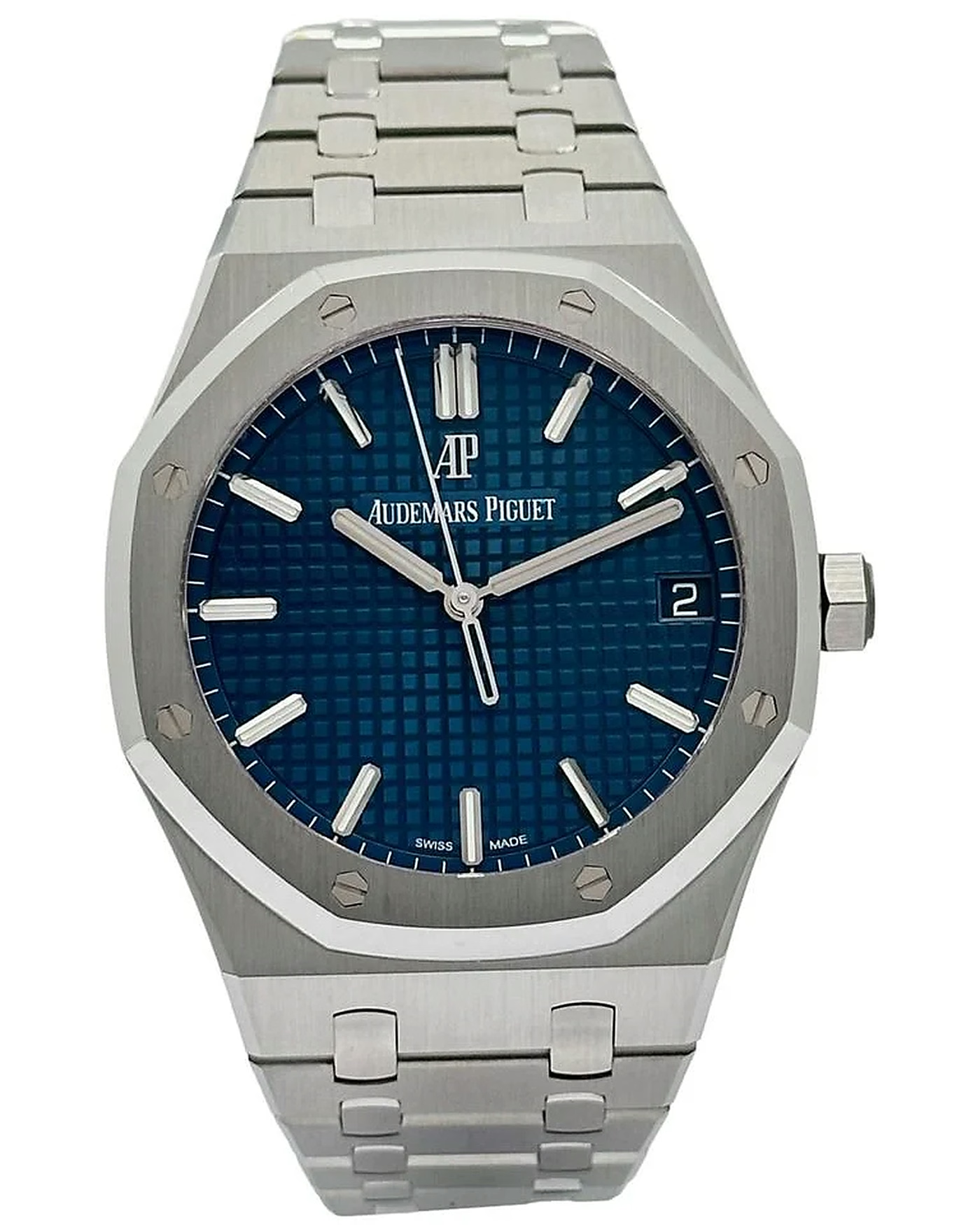
Polish interacts with completeness and grading. A pristine unpolished watch-only piece can outsell a polished full set; see The Full-Set Premium and Condition Grading Explained. A watch that retains its original factory lines is a rare find in a market where many pieces have been over restored to hide wear.
Collectors look for the sharp edges of the lugs and the consistency of the brushed surfaces, and an unpolished case serves as a testament to the care of its previous owners. While a polished watch may look newer, the metal loss is a permanent change that affects the final value.
Buy unpolished, sell smart
If originality matters to you, ask us specifically about polish history, we note it in our condition assessments as part of our process. Browse the collection or get a condition-aware offer at our sell desk.
Frequently asked
Questions, answered
Is an unpolished watch worth more?
Generally yes, especially for vintage and collectible references, because the original case geometry is intact and can't be restored once polished away.
Does polishing a watch reduce its value?
Light, skilled polishing may not on common references, but repeated or aggressive polishing rounds the lugs and chamfers and can significantly lower value.
How can I tell if a watch has been polished?
Look for rounded lug edges, blurred or missing chamfers, uniformly buffed surfaces, and shallow engravings.