Authentication & Provenance
Paper Matching and Provenance: Warranty Cards, Service Papers and Archive Extracts
Matching warranty cards to serials, service papers, archive extracts and how documentation drives value.
Establishing heritage through watch papers and proven provenance
Provenance is the documented chain that proves a watch is what the seller says. The essentials are a warranty/guarantee card whose serial matches the watch, original purchase receipts, service records, and, for high-value pieces, a manufacturer Extract from the Archives (Patek, Omega) or equivalent. Matching papers both confirm authenticity and command a measurable resale premium.
What counts as provenance
- Warranty / guarantee card: Confirms serial, dealer, and (often) purchase date
- Original receipt / invoice: Establishes chain of ownership
- Service papers: Shows maintenance history and parts replaced
- Archive extract: Manufacturer confirmation of original specs (e.g., Patek "Extract from the Archives")
- Original box & accessories: Completes the "full set"
Matching is everything
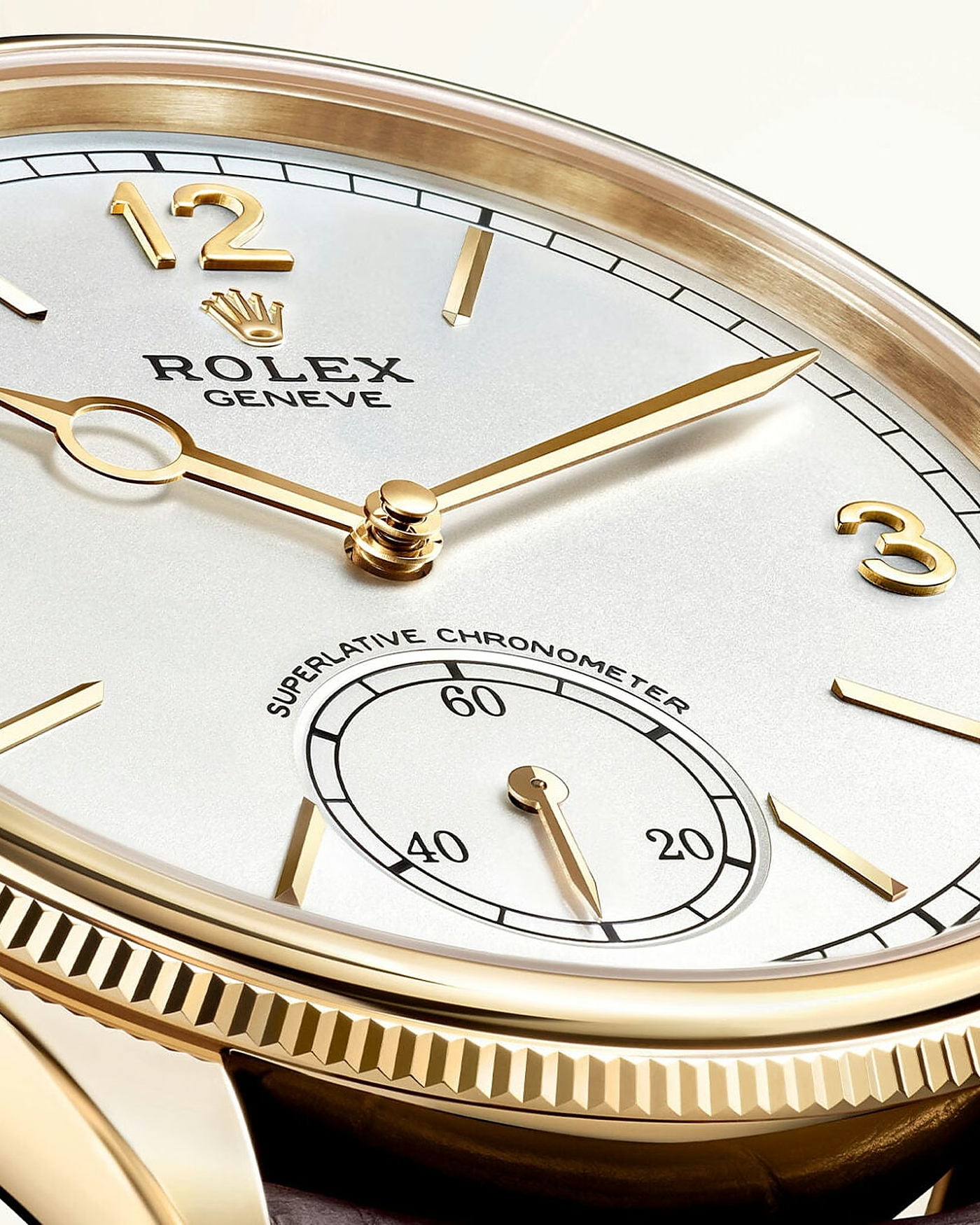
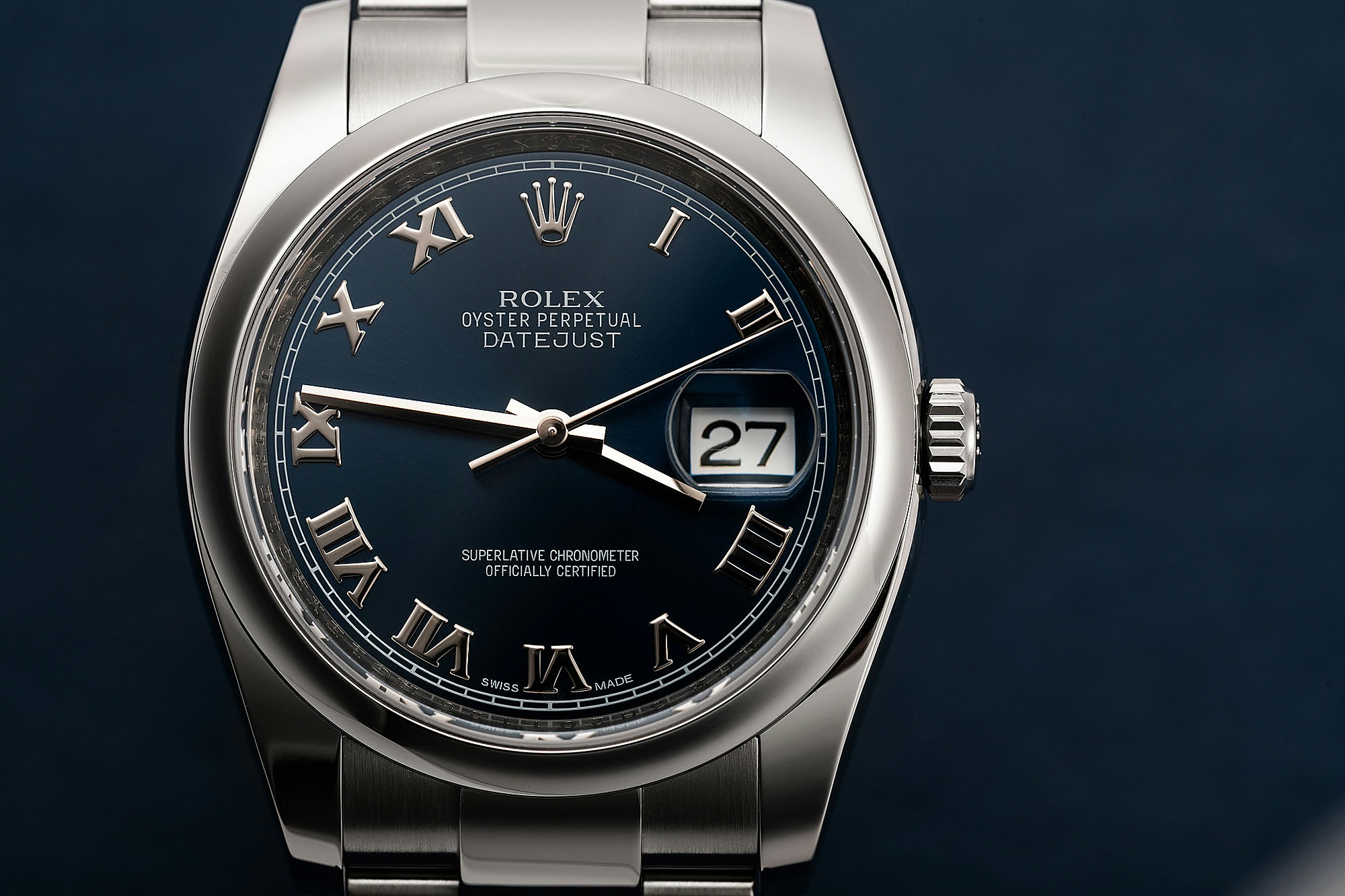
A card is only valuable if its serial and reference match the watch. A mismatched card, common with married sets, is a red flag, not a reassurance. For Rolex, note that modern random serials mean the card date is your primary dating evidence (see Reading Rolex Serial, Rehaut & Reference Numbers).
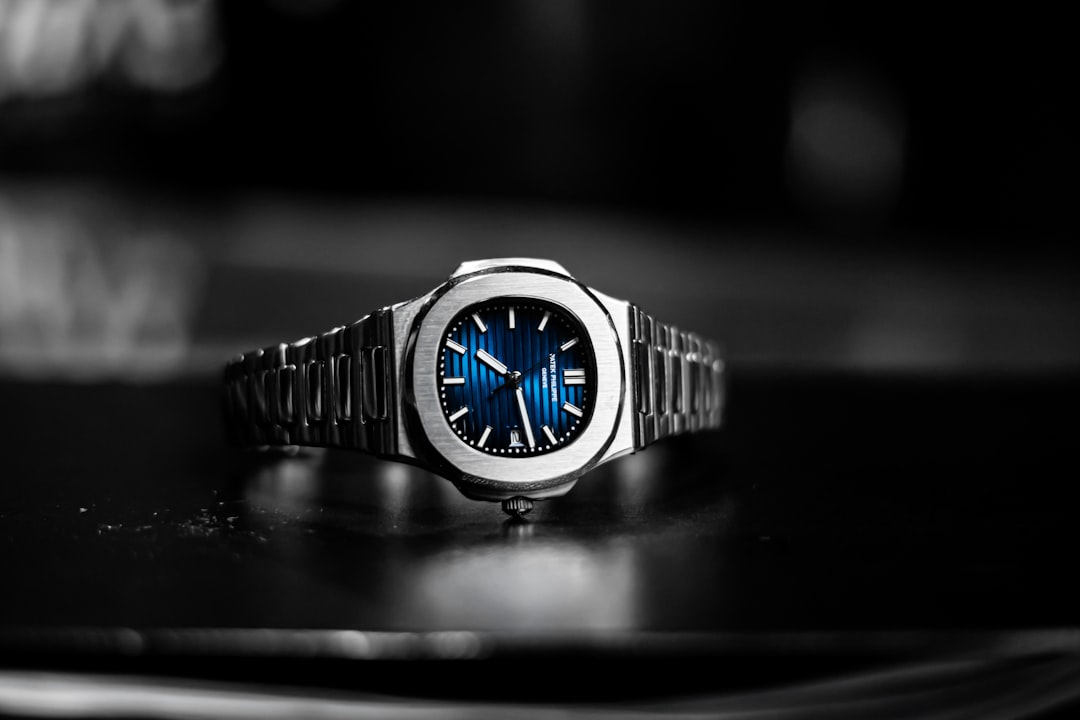
For Patek, an Extract from the Archives independently confirms the original configuration (see How to Spot a Fake Patek Philippe Nautilus). A collector should always verify that the country code and the retailer name on the card are consistent with the known history of the watch.
Service papers cut both ways
Service records prove care, but they also reveal replaced parts, which can affect originality and value on collectible references. We cover that trade-off in Do Replacement & Service Parts Affect a Watch's Value?.
How provenance drives value
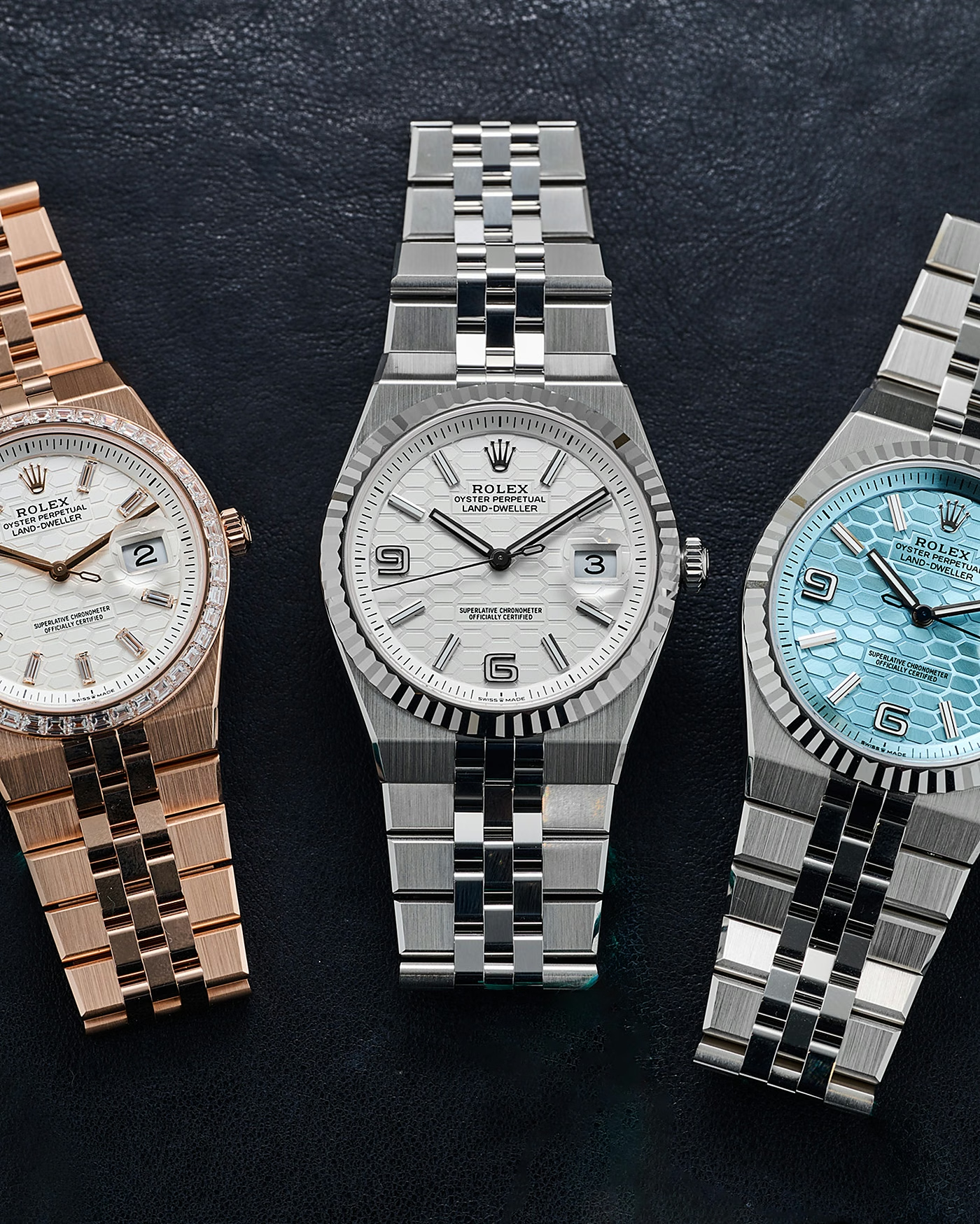
A documented, matching full set typically sells faster and higher than a watch-only example, quantified in The Full-Set Premium. Provenance also de-risks the buy, which is why serious collectors pay for it. In a market where vintage and modern pieces are often modified, original paperwork acts as a birth certificate that confirms the watch remains in its factory delivered state.
Collectors should value a clear chain of custody, as these documents transform a simple timepiece into an artifact with a verifiable story, and they provide the ultimate peace of mind for high value transactions.
Buy and sell with documentation handled
Island Time reviews documentation and provenance as a standard step in our authentication process. Selling a documented piece? Our sell desk factors a complete, matching set into the offer. Buying? Investigative Sourcing verifies papers before you pay.
Frequently asked
Questions, answered
Do watch papers really add value?
Yes, a matching, documented full set generally sells faster and at a premium over a watch-only example.
What is an Extract from the Archives?
A manufacturer-issued document (notably from Patek Philippe and Omega) confirming a watch's original production details, used to verify authenticity and provenance.
Is a watch worthless without papers?
No, but missing or mismatched papers usually lower the price and slow the sale, especially on high-value references.